













































![1+1 FREE | FineSlice™ - Cuts What Scissors Can’t [Offer Ends Today]](http://quanolo.co.uk/cdn/shop/files/d210079baefb8baec1578f1fec4170f982c0ff80d45b958c27cedc5cde9018c7-500.gif?crop=center&height=475&v=1745786035&width=475)
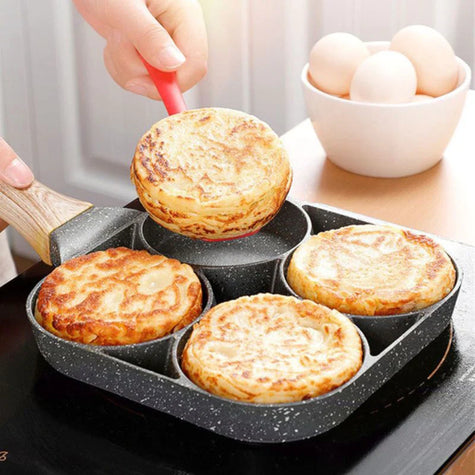












Table of Contents
- The Real Cost of a 'Smart' Kitchen
- Are Smart Kitchen Gadgets Worth the Money for Your Cooking Style?
- How to Choose Smart Kitchen Appliances That Earn Their Place
- The Best Smart Kitchen Gadgets for Small Spaces
- Where Smart Gadgets Fail: Complexity, Obsolescence, and Drawer Burying
- A Smarter Approach: Three Questions Before You Buy
- The Verdict: What Earns Its Place in Your Kitchen
- Frequently Asked Questions
Last Updated: September 7, 2026
Every year, households spend significant sums on appliances that promise to transform their cooking, only to find them gathering dust. The question of whether smart kitchen gadgets are actually worth the money is one we hear constantly from readers tired of wasted counter space and cash. At Quanolo, we believe the answer is a framework for deciding which innovations genuinely earn their place in your routine.
The core problem is the mismatch between marketing promises and how you actually cook. A smart kitchen gadget is only worth its price tag when it solves a problem you face several times a week. Below, we break down the real costs, the hidden expenses of complexity, and a practical method for choosing tools that deliver genuine value.
The Real Cost of a 'Smart' Kitchen
The initial purchase price is only the beginning. Beyond the sticker price, consider the countertop footprint in a compact kitchen, the time spent learning a new interface, and the mental load of yet another app demanding updates.
Many buyers overlook the long-term financial picture entirely. A gadget that costs £30 but is used twice a month has a far higher cost-per-use than a £30 tool you reach for every single day. According to research on consumer electronics lifespan and repairability, the longevity of small appliances is a growing concern for buyers, with many products failing well before consumers expect them to.
This is where the 'smart' label often creates a trap. The added electronics, screens, and connectivity features are the first components to fail and the hardest to repair. A simple mechanical tool can last decades; a smart one is often obsolete within a few years, both technologically and physically.
Are Smart Kitchen Gadgets Worth the Money for Your Cooking Style?
They are worth it for some cooking styles and a complete waste for others. If you are a batch-cooker, a device that automates a repetitive task like chopping can save genuine time. If you cook fresh, simple meals nightly, a multi-functional appliance might just be an obstacle between you and dinner.

Consider your workflow honestly. Do you cook for a family where everyone wants something different? Do you have limited hand strength that makes peeling or opening jars a daily struggle? These are the scenarios where a well-designed electric tool becomes a genuine assistant.
For the minimalist cook, the best smart kitchen gadgets for small spaces are often the least 'smart' ones. A tool that does one job brilliantly, without a charging cable or Bluetooth connection, frequently outperforms a complex device that promises to do everything adequately.
How to Choose Smart Kitchen Appliances That Earn Their Place
Choosing wisely requires ignoring the hype and focusing on hard metrics. Evaluate a purchase against your actual habits, available storage, and the likely lifespan of the product. A decision framework is more useful than any list of recommendations, but it must be grounded in how these devices perform in a typical kitchen.
Cost-Per-Use: The Metric That Decides Everything
The single most important calculation before buying any kitchen gadget is its projected cost-per-use. Divide the purchase price by the number of times you realistically expect to use it in a year.
A £30 gadget used 100 times a year costs 30p per use; used five times, it costs £6 per use. This forces honesty about whether the tool addresses a frequent need. Cost-per-use only works if you are realistic: a common pattern is overestimating how often you will use a 'smart' feature like app-controlled scheduling. The manual version of a task is often faster than setting up the automation, skewing the real cost-per-use higher.
The 'Does It Actually Save Time?' Test
Beyond cost, the primary promise of smart kitchen gadgets is time saving, but this must be measured against time invested in setup and maintenance. A smart kettle you switch on from bed saves perhaps 30 seconds a day. If it takes five minutes to connect to Wi-Fi and update firmware, that upfront cost erodes the daily benefit.
A more reliable test is the 'weekday dinner' scenario: on a busy Tuesday evening, will this gadget get dinner on the table faster than your current method? If the answer requires hesitation, it will likely fail the drawer test. The best gadgets reduce active cooking time or eliminate a tedious step, not merely add remote control to a task you are already standing next to.
Build Quality, Repairability, and the Right to Repair
A device packed with features is worthless if the motor burns out after six months. Prioritise build quality, the availability of spare parts, and design simplicity. A cast aluminium body will outlast a flimsy plastic alternative, even if the latter has more digital functions.
The environmental impact of cheap, disposable gadgets is a growing concern. Choosing a durable, repairable tool reduces waste and saves money, shifting focus from the initial price to the total cost of ownership over a decade.
The added electronics, screens, and connectivity features are the first components to fail and the hardest to repair. A simple mechanical tool can last decades; a smart one is often obsolete within a few years. When researching, check whether the manufacturer offers spare parts or a repair service. If a battery is sealed and non-replaceable, or firmware cannot be updated without a proprietary app, its useful life is likely short.
Integration with Your Existing Smart Home Ecosystem
If you use a smart home platform like Amazon Alexa, Google Home, or Apple HomeKit, compatibility should be a deciding factor. A gadget requiring its own separate app and account adds complexity. The ideal smart kitchen gadget works with the ecosystem you already have, so you control it with the same voice commands or routines.
Be wary of the security implications of connecting more devices to your home network. Each is a potential entry point for a cyber attack. The National Cyber Security Centre advises changing default passwords and keeping firmware updated, an ongoing burden many buyers do not anticipate (ncsc.gov.uk). If connectivity is not essential to its core function, consider whether the 'smart' version is worth the added risk.
The Best Smart Kitchen Gadgets for Small Spaces
For those with limited storage, the best smart kitchen gadgets for small spaces consolidate the function of several tools into one compact unit, reducing clutter while maintaining efficiency.
One standout example is the SmartMeasure™ 4-in-1 Adjustable Measuring Cup, which replaces four separate cups with a single slide-adjustable tool. At £29.00, its cost-per-use drops quickly for anyone who bakes regularly, and its built-in scraper reduces food waste. Similarly, the CookEase™ 4-in-1 Ultimate Cooking Pan at £24.97 allows you to cook multiple dishes simultaneously, saving both time and energy.

| Gadget | Price | Core Function | Best For | Countertop Footprint |
|---|---|---|---|---|
| SmartMeasure™ Cup | £29.00 | Replaces 4 measuring cups | Bakers & meal preppers | Minimal (drawer storage) |
| CookEase™ Pan | £24.97 | Cooks 4 dishes at once | Family breakfasts | Stovetop only |
| SliceEase™ Slicer | £29.95 | Electric vegetable chopping | Batch cooking | Small (cordless) |
| GripEase™ Opener | £19.95 | Universal jar & bottle opening | Those with limited hand strength | Minimal (magnetic storage) |
Where Smart Gadgets Fail: Complexity, Obsolescence, and Drawer Burying
The primary reason gadgets fail is not poor performance on day one, but the gradual erosion of their value. 'Gadget fatigue' sets in when a device requires more maintenance than the manual task it replaced. Charging batteries, cleaning intricate parts, and updating firmware can quickly outweigh the time saved.

Obsolescence is another critical factor. A 'smart' appliance purchased today may not be compatible with your home ecosystem in a few years, a stark contrast to a well-made manual tool that can be passed down through generations. The sustainability argument for simpler tools directly addresses electronic waste.
The Hidden Environmental Cost of Smart Kitchen Tech
The environmental impact of smart kitchen gadgets extends far beyond the energy they consume. Production requires rare earth metals, plastics, and manufacturing processes that generate significant carbon emissions. When a smart gadget fails and cannot be repaired, it often ends up in landfill or a recycling stream where only a fraction of its materials are recovered.
According to the Material Focus campaign, over 100,000 tonnes of electrical waste are discarded each year, much of it small appliances. The 'smart' component is particularly problematic: circuit boards, sensors, and batteries are difficult to separate and recycle, and often contain hazardous materials. A simple mechanical tool can be recycled almost entirely as scrap metal or passed on to another user.
This environmental cost is rarely factored into the purchase decision. Choosing a durable, repairable gadget over a cheap, disposable one is not just financial; it is environmental. WEEE Regulations require retailers to offer take-back schemes, but the best way to reduce e-waste is to buy fewer, better things.
The Psychological Cost of Kitchen Clutter
Beyond the environmental impact, there is a psychological cost to kitchen clutter. A countertop crowded with appliances creates visual noise and can make cooking feel like a chore. The 'decluttering' movement has highlighted how our physical environment affects our mental state. A cluttered kitchen can increase stress and reduce the enjoyment of cooking, making it less likely you will use the gadgets you own.
The problem is cyclical: you buy a gadget to cook more, but it takes up space and adds complexity, so you cook less. Breaking this cycle requires a deliberate audit of your kitchen tools.
The Kitchen Gadget Audit: A Practical Method
Set aside 30 minutes and take everything out of your cupboards. Group items into three piles: used weekly, used monthly, and unused for over six months. If you have not used a gadget in six months, you are unlikely to use it in the next six, regardless of how much you paid.
For the unused pile, consider three options: sell it on eBay or Gumtree, donate it to a charity shop, or recycle it through a local council collection point. Selling recovers some cost and gives it a second life. Donating supports good causes. Recycling ensures materials are recovered rather than sent to landfill.
For the items you keep, commit to a 'one in, one out' rule: for every new gadget you bring in, remove one existing item. This prevents clutter and forces you to think carefully about whether a new purchase is worth displacing an existing tool.
A Smarter Approach: Three Questions Before You Buy
Before you add any new device to your basket, ask yourself three questions to filter out impulse buys. This checklist can save you money and preserve your kitchen organisation.
- How often will I realistically use this? If the answer is less than once a week, consider a manual alternative or skip it entirely.
- Does it replace an existing tool, or is it an addition? A gadget that consolidates the function of three items is a space-saver; one that adds a new function may just add clutter.
- What happens when it breaks? Can you repair it, or is it destined for landfill? Check for available spare parts and the simplicity of the design.
The Verdict: What Earns Its Place in Your Kitchen
After weighing the costs of complexity, obsolescence, and clutter, the verdict is clear: the smart kitchen gadgets worth the money are those that are simple, durable, and address a high-frequency need. They make you wonder how you ever cooked without them, not impress guests with flashing lights.
The most valuable additions are often the most straightforward. A reliable electric knife sharpener like the Messerscharf™ keeps your existing knives in top condition, and a versatile pan like the CookEase™ reduces the number of pots you need to wash. These tools enhance your workflow without demanding a learning curve or a permanent spot on your countertop.
Frequently Asked Questions
Which kitchen gadgets are worth the money?
Gadgets that solve a specific problem you have and that you will use at least once a week are worth the money. Multi-functional tools like an adjustable measuring cup or a 4-in-1 cooking pan offer better value than single-use appliances. Calculate the cost-per-use: a £30 gadget used 100 times costs 30p per use. A £100 appliance used twice a year costs £50 per use. Focus on tools that simplify meal preparation, save storage space, and are easy to clean, as these are the ones that earn their place.
What are the disadvantages of a smart kitchen?
The main drawbacks are higher upfront costs, potential technical issues, and the risk of obsolescence. Smart appliances with connectivity features can become outdated as software updates stop or standards change. They often require more energy in standby mode, which affects efficiency. Repairs can also be harder and more expensive than with simple tools. For many, the complexity of an app-connected device adds little value when a well-designed manual tool does the job faster and more reliably.
Do smart kitchen appliances save time or just add complexity?
They save time only when they genuinely automate a task you do often. An electric vegetable slicer that preps ingredients in seconds saves real time. A kettle you switch on from bed might save a minute. The complexity appears when you must troubleshoot connections, update apps, or clean extra parts. If a gadget takes longer to set up than to do the job manually, it adds complexity. Choose tools with a simple user interface and a clear time-saving purpose for your specific cooking habits.
Are smart kitchen gadgets energy efficient?
It varies widely. Small, rechargeable tools like cordless slicers use minimal energy and can be more efficient than running a large food processor. However, many 'smart' devices with Wi-Fi or standby displays consume power continuously, even when off. Look for gadgets with manual operation or clear power switches. For cooking, consider the appliance's wattage and how long it runs. A compact sandwich maker for quick meals uses less energy than heating a full-size oven, making it a more efficient choice for small tasks.
The challenge is resisting the allure of novelty and focusing on utility. At Quanolo, we curate our range to include only those practical tools that simplify daily routines and stand the test of time, helping you transform your kitchen into a space of order and efficiency. Explore our collection of smart kitchen gadgets designed to solve real problems, and start cooking smarter today.